

For 5,000 years, humans have eaten palm oil—we have evolved eating it. The Ancient West African use (3,000 BCE) is the first recorded instance: palm oil was a dietary staple in West African societies and was used in cooking, medicine, and as a source of energy. Archaeologists found residues of palm oil in pottery at the archaeological site of Igbo-Ukwu in Nigeria, highlighting its significance in early human diets.
Today, Planting Naturals is the largest RSPO Organic cooperative of West African homegrown farmers in the world, with over 9,000 farms and their families in our vast and growing network. Homegrown, Homemade—for 5,000 years.
Rapeseed Oil: A Relatively Recent Staple
The use of rapeseed oil (Brassica napus) as a food source is a more recent phenomenon compared to palm oil. Its history can be divided into ancient agricultural uses and modern developments. Rapeseed was cultivated in the Indian subcontinent Early uses were primarily for oil lamps and as a lubricant due to its high oil content. In Europe, rapeseed was grown during the Roman Empire but used primarily for industrial purposes, like lamp fuel. Modern Edible Use (20th Century) Traditional rapeseed oil contained erucic acid, which was bitter and potentially harmful in large quantities. In the 1970s, Canadian researchers developed a low-erucic acid variety called canola, making rapeseed oil palatable and safe for widespread consumption. This innovation marks the beginning of rapeseed oil’s significant use as a cooking oil.
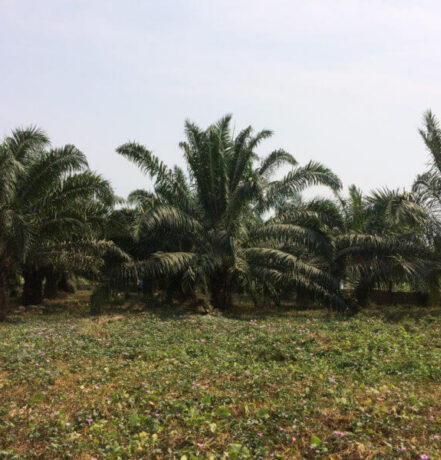
Sun flower Oil: A Product of the Americas
Sunflower oil is derived from the seeds of the sunflower plant (Helianthus annuus), which is native to the Americas. Indigenous peoples in North America cultivated sunflowers as early primarily for their seeds, which were eaten and used to extract oil.
The extracted oil was likely used for cooking, medicinal purposes, and skin treatments.
Introduction to Europe (16th Century): Spanish explorers brought sunflowers to Europe in the 16th century. Initially grown as ornamental plants, their seeds gained popularity for oil extraction in the 18th century. Industrial Scale Production (19th Century): In Russia, sunflower oil became a dietary staple, partly due to religious restrictions on animal fats during fasting periods in Orthodox Christianity. By the 20th century, sunflower oil was widely cultivated in Europe and the Americas, becoming a global cooking oil.
Comparing the Timelines
- Palm Oil: In use for at least 5,000 years, making it one of the oldest oils consumed by humans.
- Rapeseed Oil: Used for industrial purposes for thousands of years, but only widely consumed as a cooking oil after the 1970s with the advent of canola.
- Sunflower Oil: widespread use as a cooking oil began in the 19th and 20th centuries.
Why the Differences in Adoption?
- Palm Oil’s Early Versatility: Its high yield, ease of extraction, and long shelf life made it a staple far earlier than seed oils.
- Seed Oils’ Technological Requirements: Extracting oil from small seeds like rapeseed and sunflower required more advanced technology, delaying their widespread culinary use until relatively modern times.
Palm oil is making a transformative comeback for discerning consumers—ushering in a new era of sustainability, biodiversity restoration, and health benefits. With RSPO-certified, organic, and climate-neutral palm oil leading the way, this crop is proving to be not only the most efficient and eco-friendly oil but also a powerful tool for reforesting ecosystems. Planting Naturals’ innovative palm oil farms in Africa are at the forefront, combining responsible agriculture with biodiversity restoration to redefine how the world views this essential resource.
Palm Oil: The Sustainable Oil Leader
Palm oil, once criticized for its environmental impact, has evolved into the most sustainable vegetable oil when grown responsibly. RSPO-IP certified palm oil ensures production methods that minimize deforestation, protect biodiversity, and empower local communities. Organic palm oil takes this a step further, avoiding synthetic chemicals to preserve soil health and water quality.
The next leap in sustainable palm oil production is climate-neutral palm oil, where emissions from production are offset or neutralized through initiatives like carbon sequestration, agroforestry, and ecosystem restoration.
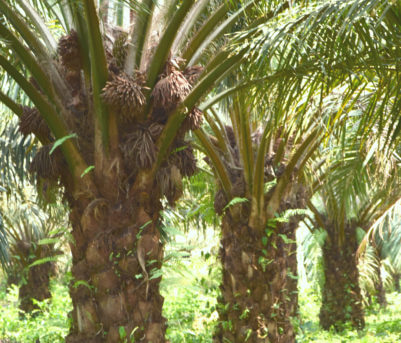
Environmental Benefits of Climate-Neutral Palm Oil
Land Efficiency and Carbon Impact
- Higher Yields, Less Land: Palm oil produces up to 10 times more oil per hectare than seed oils like soybean, sunflower, and canola. This efficiency means less land is required, reducing deforestation and habitat loss.
- Carbon Sequestration: Climate-neutral palm oil farms actively contribute to carbon reduction by incorporating reforestation projects and maintaining forest buffers that absorb CO₂.
Restoring Ecosystems with Nature and Biodiversity
Planting Naturals, a leader in sustainable palm oil, operates farms in Africa that use biodiversity as a key enabler of ecosystem restoration. By integrating palm oil cultivation with native species and agroforestry practices, these farms:
- Reforest degraded land: Planting native trees alongside oil palms promotes habitat restoration and prevents soil erosion.
- Enhance biodiversity: Encouraging pollinators, wildlife corridors, and natural pest control methods restores balance to the environment.
- Empower communities: Local farmers are equipped with tools and training to maintain diverse, sustainable landscapes.
Palm Oil vs. Cash Crop Seed Oils
Compared to cash crop seed oils, climate-neutral palm oil is a clear winner in sustainability:
- Land Use Efficiency
- Palm oil’s high yield minimizes agricultural sprawl, preserving vital ecosystems like rainforests. Seed oils require significantly more land, leading to higher deforestation rates and biodiversity loss.
- Water Use
- Palm oil thrives in tropical climates with natural rainfall, unlike seed oils, which demand intensive irrigation in arid regions.
- Soil Health
- Climate-neutral palm oil farms use intercropping and cover crops to enrich the soil, avoiding the degradation commonly associated with monocultures like soybean or sunflower farms.
Health Benefits of Palm Oil
Palm oil isn’t just good for the planet—it’s also better for your health compared to many seed oils.
Balanced Fatty Acid Profile
- Palm Oil: Contains 50% saturated fat, 40% monounsaturated fat, and 10% polyunsaturated fat. This balance provides stable energy and supports heart health.
- Seed Oils: Often high in omega-6 fatty acids, which can contribute to inflammation and chronic diseases when consumed excessively.
Nutritional Superiority
- Vitamin E and Carotenoids: Palm oil is rich in antioxidants like vitamin E and beta-carotene, which support cell health, immunity, and vision.
A New Paradigm: Climate-Neutral Palm Oil
The evolution of palm oil doesn’t stop at sustainability. Climate-neutral palm oil represents the next stage of innovation, pairing sustainable agriculture with climate action. By integrating practices like reforestation, biodiversity enhancement, and renewable energy, climate-neutral palm oil:
- Reverses Environmental Damage: Restores degraded landscapes and supports wildlife recovery.
- Offsets Carbon Emissions: Ensures production processes leave no net carbon footprint.
- Drives Regenerative Agriculture: Uses nature’s tools to heal ecosystems while producing a vital food resource.
Planting Naturals’ projects in Africa exemplify this vision, creating farms that are more than just agricultural enterprises—they are hubs for reforestation, biodiversity conservation, and community empowerment.
The resurgence of palm oil as a sustainable, organic, and now climate-neutral crop signals a brighter future for food production and environmental stewardship. Compared to land- and water-intensive seed oils, palm oil is a true champion of efficiency and sustainability when produced responsibly. Planting Naturals’ farms in Africa are proving that palm oil can be more than a crop—it can be a catalyst for reforestation, biodiversity restoration, and climate action. As we embrace this next stage of evolution, palm oil is reclaiming its place as the most sustainable and health-conscious choice for consumers and the planet. Palm oil isn’t just coming back—it’s leading the way.